The short version
- The guiding is the part you book. The operator’s sentence is “There are no regular guided tours.” What it sells instead is an audio guide in several languages for three and a half euros, and it says group tours in English can be arranged. Everything guided on GetYourGuide here is somebody answering that sentence. All twelve listings, and what each one says.
- The most-booked listing is the bare ticket; the best-rated is the guided one. The plain entry ticket has more reviews than any other Nymphenburg product we track, while the guided fast-track to the palace and the carriages sits at the top of the set. Nobody is disputing the palace; the reviews reward the version where somebody explains it. Is it worth going inside.
- The park is free, and it is the largest thing here. Two hundred hectares, remodelled by Friedrich Ludwig von Sckell in the early nineteenth century, with gates open from 6 am and closing at 6 pm in winter, 8 pm in April and October and 9.30 pm from May to September. It does not close for the season. The park and the four pavilions.
- The combination ticket is about twenty euros in summer and less in winter, the palace on its own is under ten, the four park palaces together are under six, and everyone under 18 goes free. From 16 October the combination covers less, because the park palaces are shut. The tickets, with the arithmetic.
- Ludwig II was born in this building, in the Queen’s bedroom, on 25 August 1845. The full-day coach trips out of Munich that carry his name go to castles in the Alps and come nowhere near here. Born here, and what this palace is not.
What the combination ticket buys, and what the park adds free
The split that decides the whole afternoon, in two columns.
Inside the combination ticket
- The palace, including the Steinerner Saal and the Gallery of Beauties
- The Marstallmuseum, in the south wing of the former royal stables, together with the Museum of Nymphenburg Porcelain
- The four park palaces — Amalienburg, Badenburg, Pagodenburg and Magdalenenklause — from 1 April to 15 October, and not after that
- Live guiding: booked separately. The audio guide is three and a half euros at the desk, in several languages; a live guide comes from the listings on this page
- Free entry for everyone under 18, and for students over 18 from general, vocational and special schools with valid ID
Free, all year
- The whole 200-hectare park, every day of the year
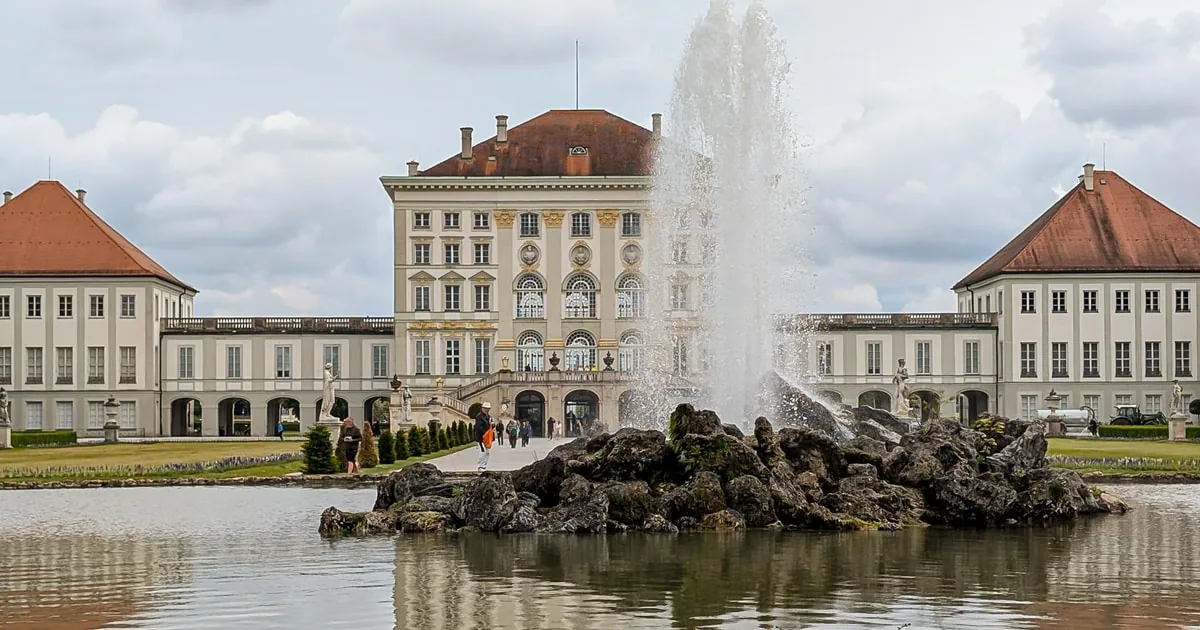
- The central canal, and the front of the palace seen across it
- The avenues, the parterres and the fountains, which run in season
- The park gates from 6 am: until 6 pm January to March, November and December; 8 pm in April and October; 9.30 pm from May to September
- Standing in front of a frontage Wikipedia measures at 632 metres, which is the one statistic about this place everybody repeats
The walk through the palace, and out into the park
Where you actually go, in order, and why each stop is on the list.
Here is the order, and which stops are shut in which season.
- The canal and the forecourt — You arrive facing the water, and it is the view behind every photograph of Nymphenburg. It is free to stand here, open whenever the park gates are. Getting here from the centre.
- The ticket desk, and the handset — Where the day is decided. The combination ticket covers the palace, the Marstallmuseum with the porcelain and the park palaces; the singles cover one of those. The audio guide is three and a half euros, and it is the only commentary the building sells. Tickets, and what each one covers.
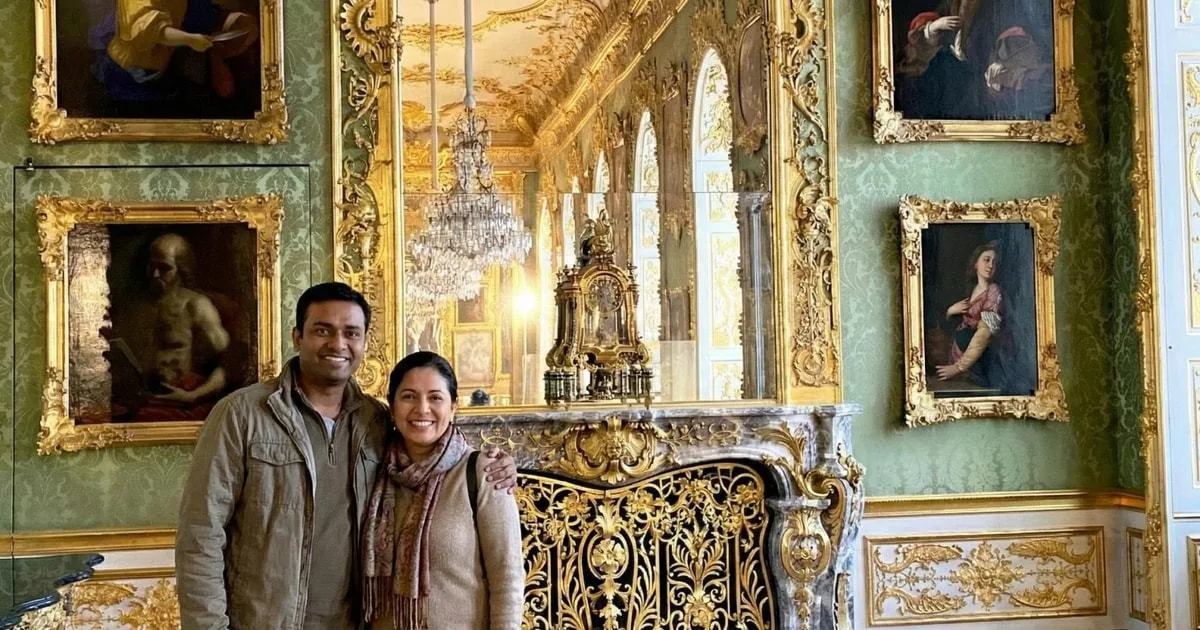
- The Steinerner Saal — The hall that runs straight through the centre block, frescoed overhead by Johann Baptist Zimmermann and decorated by François de Cuvilliés. It is the room people mean when they say the palace was worth it. The Steinerner Saal.
- The apartments either side of it — The electoral and royal rooms flanking the hall. This is the stretch that divides visitors: without a guide or a handset there is a great deal of gilt and very little explanation. What you actually walk through.
- The Queen’s bedroom — Ludwig II was born in this room on 25 August 1845. That is the whole of what this palace has to do with him, and it is more than most buildings can claim. Born here.
- The Gallery of Beauties — In the inner southern pavilion: 36 portraits Ludwig I commissioned from Joseph Karl Stieler, of women drawn, in the source’s phrase, from all social classes of Munich. The 36 portraits.
- The Marstallmuseum, across the courtyard — One of Europe’s great coach collections, in the south wing of the former royal stables, and the most concrete reason to choose this palace over the Residenz. The coaches.
- The Museum of Nymphenburg Porcelain, in the same building — On the same combination ticket, and the reason the word Nymphenburg means a porcelain mark to half the people who recognise it at all.
- Watch the clock here — Last entry to all three museums is 30 minutes before closing, which in winter means half past three. Ivana, who took the guided fast-track, reached the carriage museum at 3.30 with tickets already bought and was not let in.
- Out through the gate into the park — Two hundred hectares, laid out formally and then remodelled by Friedrich Ludwig von Sckell in the early nineteenth century. Nothing beyond this point is on a ticket except the four pavilions. The park.
- The great fountain and the avenues — The part of the estate that most rewards an unhurried hour, free in any season, at any hour the gates are open.
- Amalienburg — Built 1734 to 1739, and the finest thing in the park: its hall of mirrors is what people who have seen both prefer to anything in the main building. Shut from 16 October.
- Badenburg, Pagodenburg, Magdalenenklause — A bathing house of 1719 to 1721, a tea pavilion of 1716 to 1719 and a hermitage of 1725 to 1728, spread through the park and covered by the same combination ticket. All four shut from 16 October, though the park around them does not.
Every stop on that walk is reachable with the combination ticket and an open park gate: the Bavarian Palace Administration sells its own ticket at its own desk. What a booking through this page adds is the layer the desk cannot sell — a licensed guide walking the rooms with you, skip-the-line entry where the listing includes it, and the day already sequenced — which is exactly what the best-rated listings here are praised for. All twelve listings, with what each one actually says.
How booking a guided visit works
Decide how you want the rooms explained
The choice is between the audio handset and a live guide. If you are content to read the rooms off a handset, the state ticket at the desk is the budget way in. If you want the building explained as you walk it, that is exactly what the guided listings below supply — and what their reviews praise.
Read what the listing itself says
Every card here repeats the operator’s own wording about the palace. Six of the twelve reach the interior. One states in its own inclusions that “Tickets are not included” and sends you to the palace shop, spelling that out before you pay. One is a bus pass that covers transport to the gate rather than admission.
Check what it reaches before you check the price
One of the twelve is sold as a choice between Nymphenburg and the Residenz, in German. One is a city tour that includes half an hour in the park. One is the classic full day at the Alpine castles. Which palace you should be at.
Pick a date, and buy the state ticket separately if the listing excludes it
Availability and prices come live from GetYourGuide, with free cancellation on most listings. Every listing here is priced per person, the private ones included. Where admission is excluded, buy the state ticket from the Bavarian Palace Administration before you travel, so the day is settled in advance.
Book the guided visit the palace does not sell
Two hours with a licensed guide, skip-the-line tickets to the palace and the carriage museum, admission to the Museum of Man and Nature, and a maximum of 25 people. It is the best-rated Nymphenburg listing we track, and it exists because the state ticket carries no live commentary at all. Live dates below.
Three ways to get inside, compared
The bare state ticket, the guided fast-track, and the listing that lets you swap Nymphenburg for the Residenz on the day. The first is the budget way in; the second is the best-reviewed listing we track; the third runs in German with tickets included.
| Munich: Nymphenburg Palace Entry Ticket | Best ratedMunich Nymphenburg Palace & Carriage Museum Fast-Track Tour | Munich: Nymphenburg Palace OR Residenz Guided Tour | |
|---|---|---|---|
| Price | €21 per person | €67 per person | €21 per person |
| Rating | 3.9 from 432 reviews | 4.9 from 71 reviews | 4.5 from 36 reviews |
| How long | Valid one day | 2 hours | 2 hours |
| A live guide? | No. The listing names a “Guide” but describes no live guiding | Yes, licensed, with live commentary | Yes, and in costume |
| Language | Audio handset, several languages | English | German |
| Admission | It is the state ticket | Skip-the-line, included | Tickets and entrance fees included |
| What it reaches | The palace and the Museum of Porcelain | The palace, the Carriage Museum and the Museum of Man and Nature | Nymphenburg or the Residenz, your choice |
| Group | No group | Maximum 25 people | Hotel pickup and drop-off included |
| Best for | Anyone content to read the rooms themselves | A first visit that wants the coaches explained | German speakers still choosing between the two palaces |
| View → | Book this → | View → |
Gallery
Palace, park and porcelain
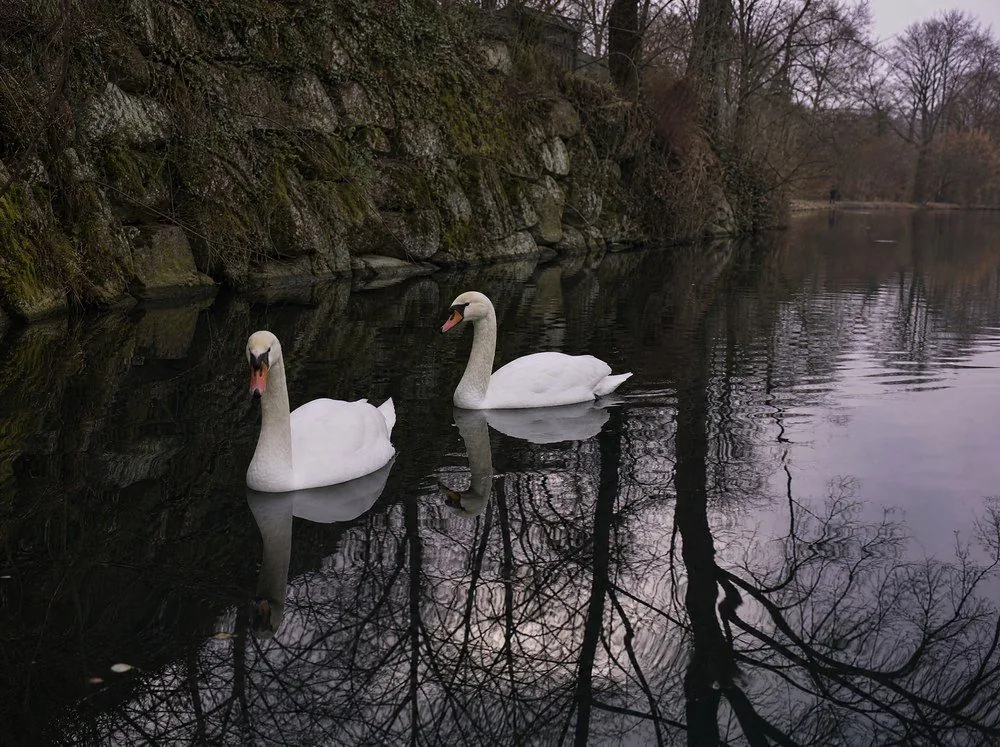
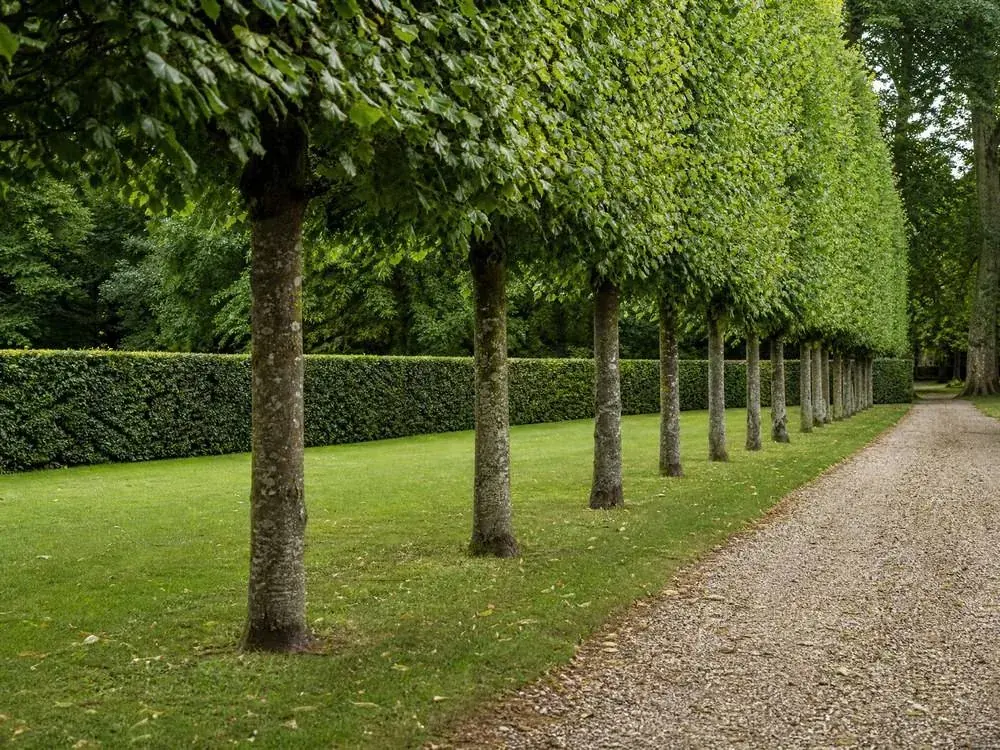
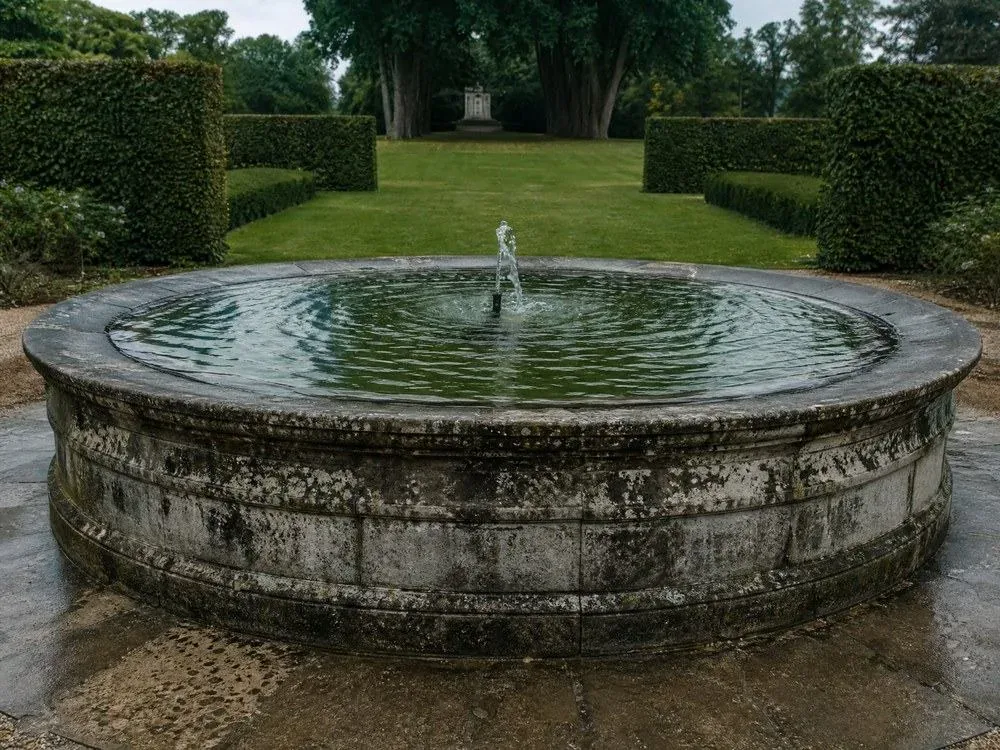
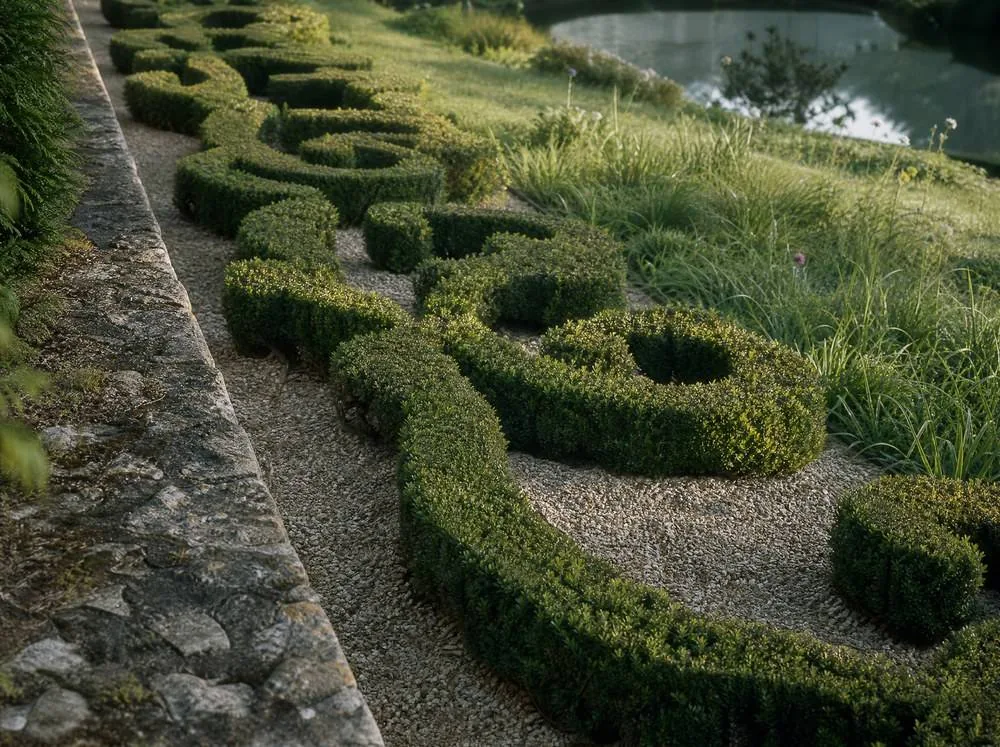
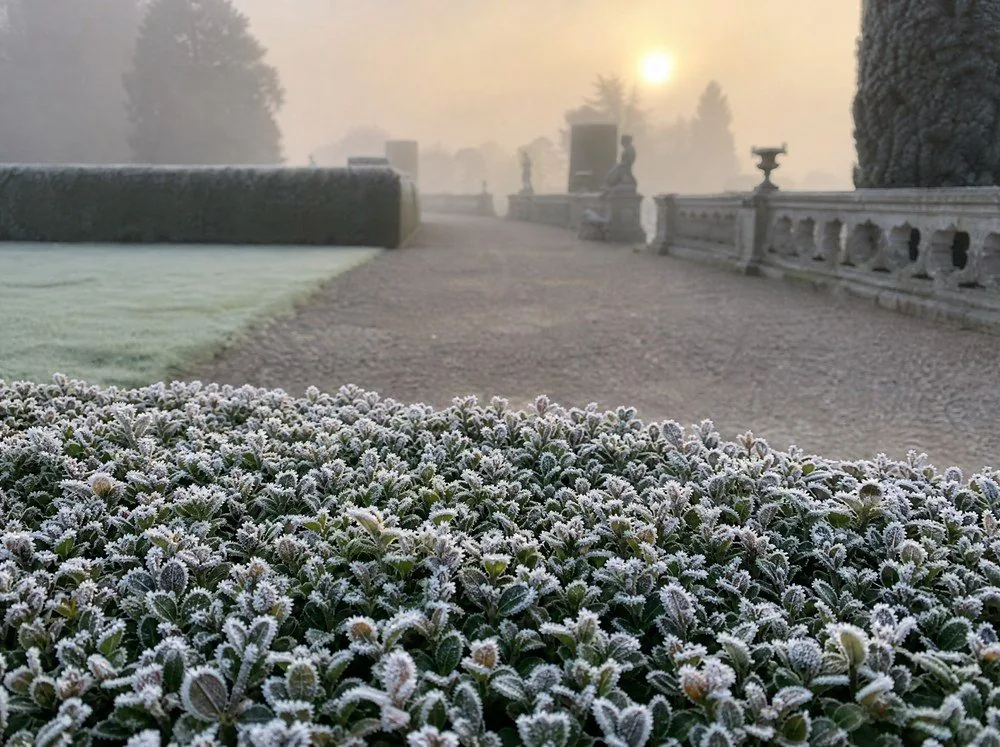
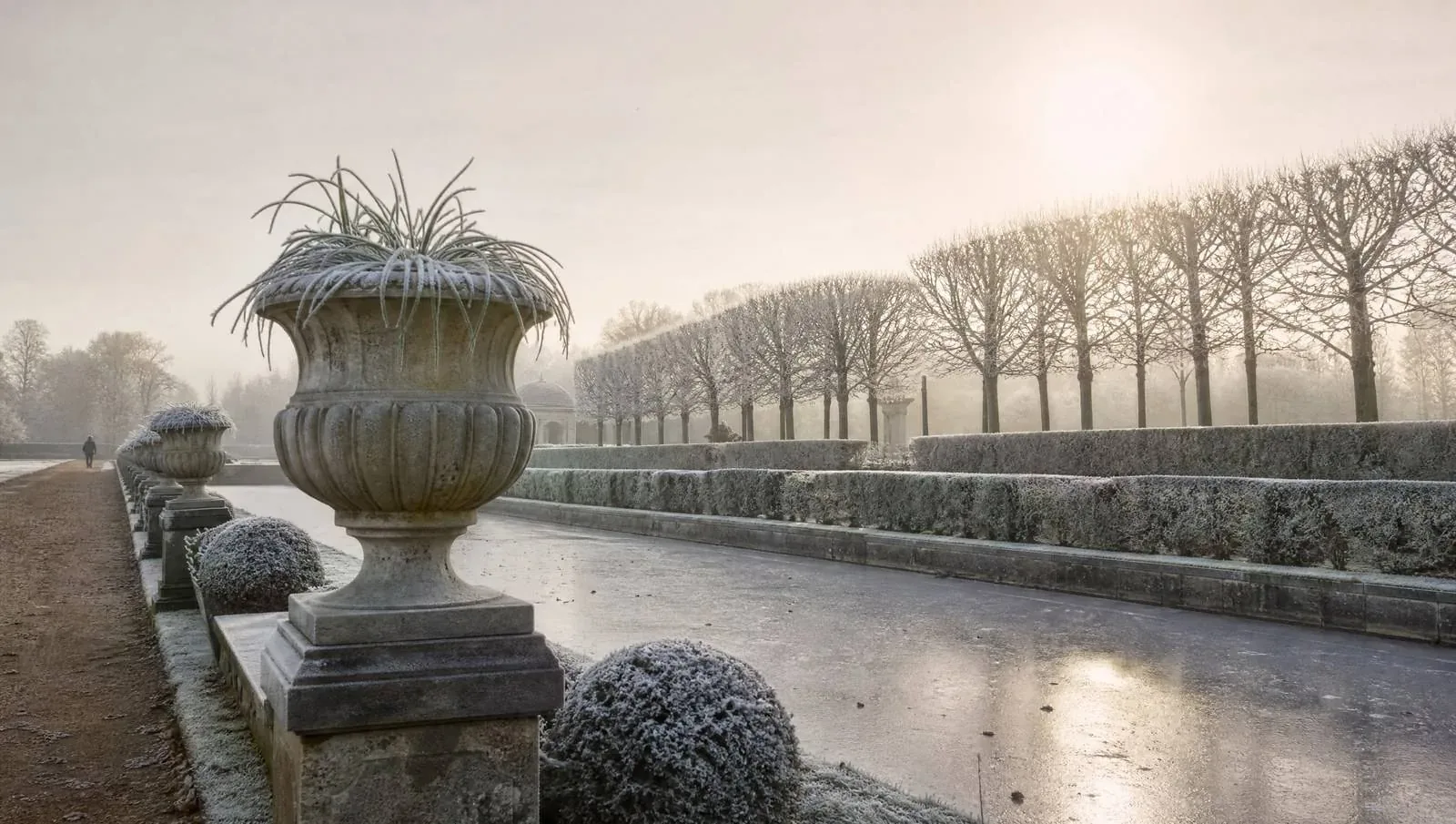
The canal, the lime avenues and the parterres outside, the state rooms and the porcelain inside — a Nymphenburg day, start to finish.
Six of the twelve, and what each one actually is
The first is the bare state ticket: more reviews than anything else here, and the budget way in. The second is the guided answer to it, and the best-rated listing we track. The third lets you pick either palace on the day, in German. The fourth is led by an architect and states in its own inclusions that tickets are not included. The fifth is the Residenz, in the city centre. And the last has 16,428 ratings, more than every other listing here put together several times over: the classic full day out to the Alpine castles, reviewed on its own page. All twelve, compared.
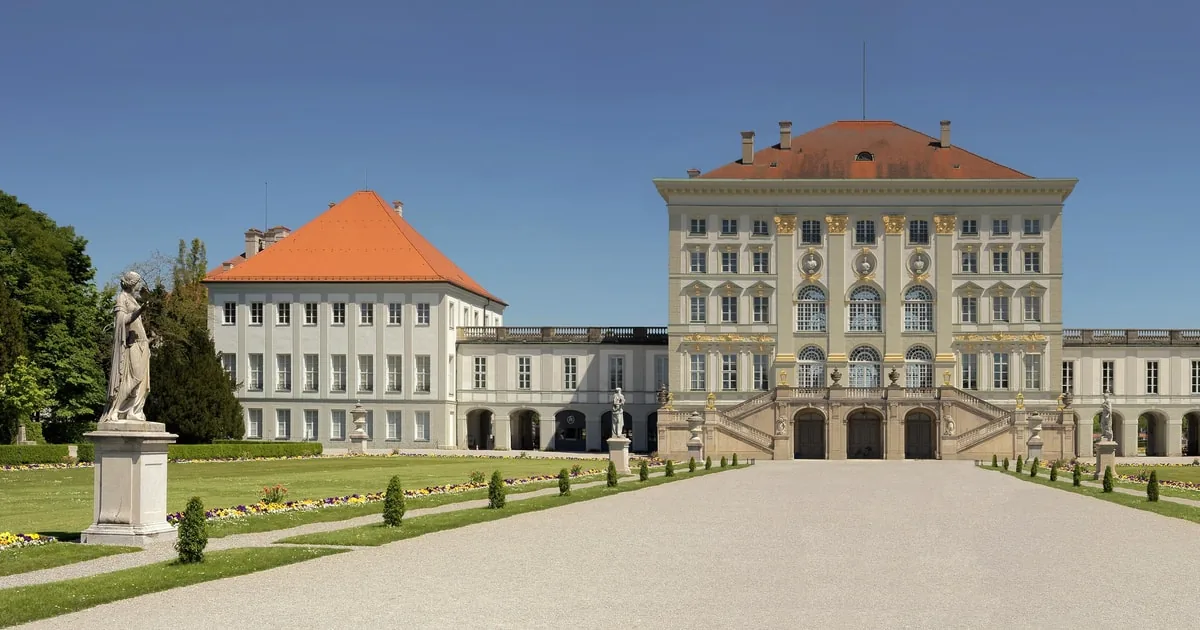 Most booked
Munich: Nymphenburg Palace Entry Ticket
 Palace + carriages
Munich Nymphenburg Palace & Carriage Museum Fast-Track Tour
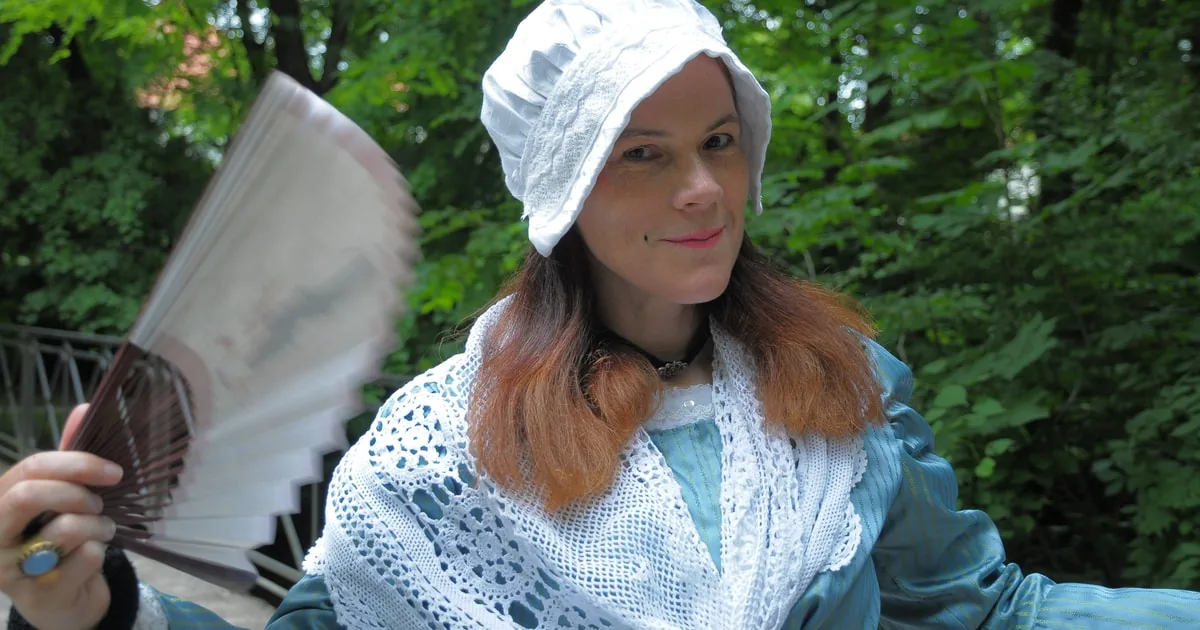 Pick one palace
Munich: Nymphenburg Palace OR Residenz Guided Tour
 Tickets NOT included
Nymphenburg Palace Reimagined (Max. 12 guests)
 The other palace
Munich: Residenz Palace and Hofgarten Skip-the-Line Tour
 The Alpine castles
From Munich: Neuschwanstein & Linderhof Castle Full-Day Trip
What reviewers actually reviewed
Verbatim, in the language each was written in, and attached to the listing it was left on. Four of the twelve — the piano recital, the private gardens tour, the city tour that walks the park, and to all practical purposes the choice-of-palace tour, which has exactly one — are newer listings still building their written reviews.
Très joli palais mais très peu à visiter. Toutefois, évidemment magnifique.
Easy to reach the palace via tram. Entrance is also easy and fast. Smaller palace as compared to the Neuschwanstein.
The tour guide was the best tour guide we have had in any of the tours, with an impressive knowledge of the places we visited. Elvira is just the kind of tour guide you wish to have always, very impressive informative, interactive tour. The bad thing with was not the fault of Elvira, but more of the bureaucracy of the state of Münich, we arrived to see the carriage museum at 3:30 sharp they close at 4:00 pm . And we had our tickets and all and they didn’t let us go inside . Even that the castle sold us the tickets !!! Very unfriendly people at the carriage place , they are public employees so I guess they really don’t care !
I had an amazing time exploring Nymphenburg Palace with Philipp! He’s not just a certified guide but also an architect, which made everything so much more interesting. We walked through beautiful Baroque gardens, discovered hidden gems like the Amalienburg (a true Rococo masterpiece!), and Philipp shared fascinating stories about the Bavarian royals. He really brought history to life — I could almost picture the gondolas and royal carriages. He was super friendly, answered all my questions, and made the tour feel personal. Highly recommend!
Schlossführung mit viel Wissen, Herz und es macht einfach Spaß zu zu hören. Vielen Dank für die aussergewöhnliche Schlossführung!
Exceptional tour, very intimate tour! I was the only person on the tour when I went! One other person was supposed to show up but they did not. The guide was very knowledgeable about the Residenz, she said it is her favorite place in Munich. The decor, architecture, furniture, and history is fascinating and beautiful. I recommend this tour!
Ratings and reviews are the operators’ live GetYourGuide figures. Read our full tour reviews ›
Four things people get wrong before they arrive
Answered here so you are not working them out at the desk.
Does the park close in the winter?
No — the park is open every day of the year. The Bavarian Palace Administration publishes winter gate hours of 6 am to 6 pm for the park from January to March and in November and December. What closes on 16 October is the four park palaces — Amalienburg, Badenburg, Pagodenburg and Magdalenenklause — which reopen on 1 April. Hours through the year.
Is the combination ticket better value than the singles?
In summer the arithmetic usually works, because the four park palaces are open and the three single tickets add up. From 16 October they are shut, so the combination covers less for less money and the sum is a different one. We print both tariffs side by side rather than tell you which to buy. Both seasons, with the figures.
Can I book a guided tour of the palace from the palace?
Not a regular one. The operator’s own page says there are no regular guided tours. What it offers is an audio guide in several languages for three and a half euros, and it says group tours in English can be arranged. Live guiding at Nymphenburg is something you bring with you. Who sells one, and what each includes.
How long does Nymphenburg take?
Visit length depends on your plans. What decides it is how many of the three museums you want, whether the park palaces are open, and how long you spend in 200 hectares of park. How long to allow, and who the palace suits best.
Can’t make these dates?
Browse more available Nymphenburg Palace tours and find one that fits your schedule — all with instant confirmation and free cancellation.
A complete guide to Schloss Nymphenburg
One sentence on the Bavarian Palace Administration’s own opening-hours page decides most of what follows: “There are no regular guided tours.” What the desk sells is rooms, and an audio handset for three and a half euros if you want one. Everything else on this page follows from that.
Why a guide changes the reviews
The plain entry ticket is much the most-reviewed Nymphenburg product on GetYourGuide, and its reviews read differently from the guided ones. Mario, who bought it, wrote “Très joli palais mais très peu à visiter” and gave it five stars anyway; Natascha wrote that she liked the whole building and was sorry more rooms were not open. People are rating what they were given to do inside it, and the guided fast-track to the palace and the carriage museum, which supplies exactly the missing explanation, sits at the top of the same catalogue. Whether it is worth going inside.
What the combination ticket covers
Three things, and a season. It covers the palace; the Marstallmuseum in the south wing of the former royal stables, together with the Museum of Nymphenburg Porcelain in the same building; and the four park palaces out in the grounds. From 16 October those four are shut, so the winter combination costs less and covers less, and whether it beats buying singles is a sum that changes with the date rather than a rule. The palace alone is under ten euros, the museums together are under ten, the four pavilions together are under six, and everyone under 18 goes in free, as do students over 18 from general, vocational and special schools on a valid ID. Current figures are in the table on the tickets page. Last entry to all three museums is 30 minutes before closing, and it is enforced: Ivana, on the fast-track listing, reached the carriage museum at half past three with tickets already bought and was turned away at the door.
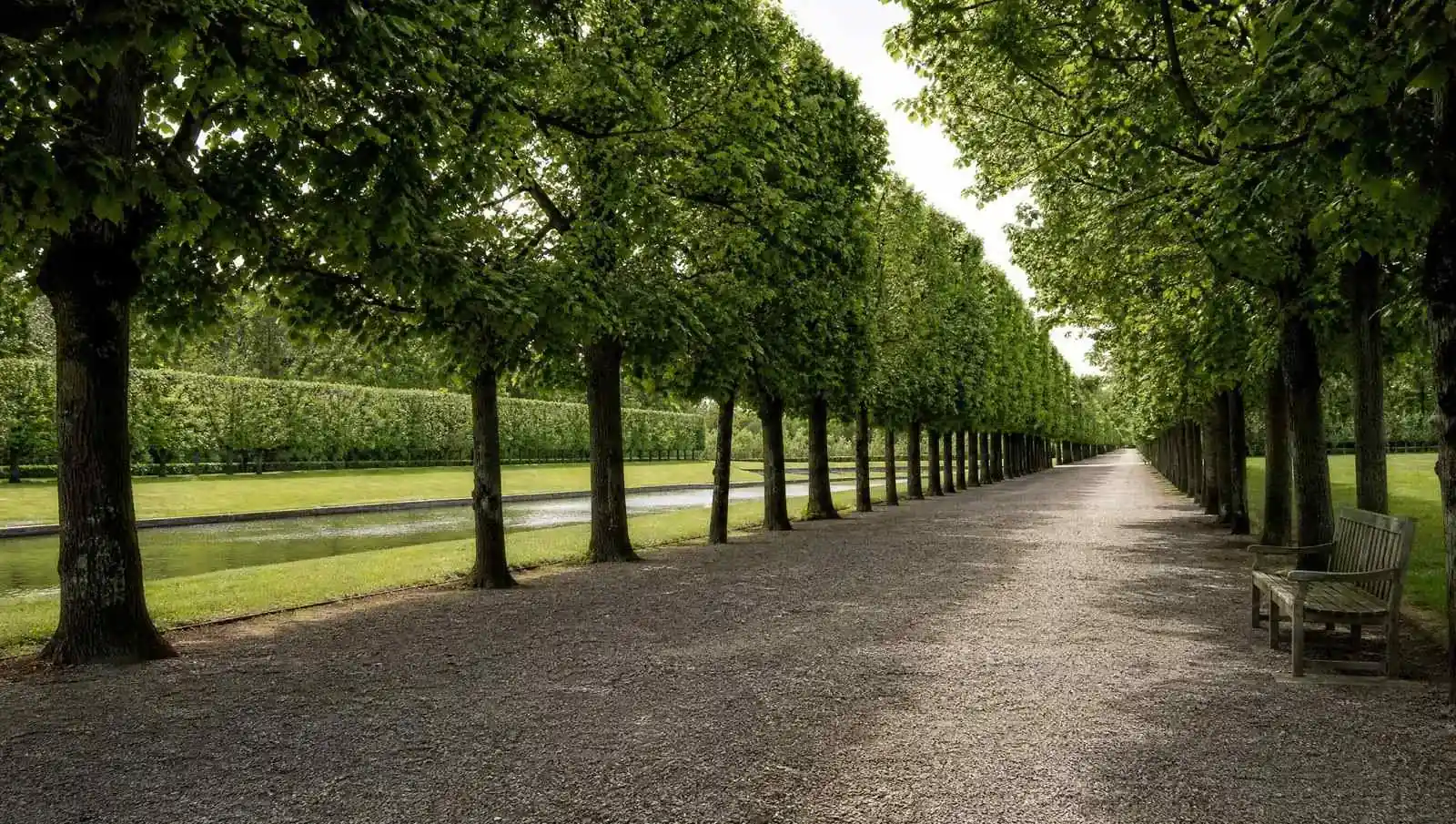
The park is free, and it does not close
Two hundred hectares behind the building, formal near the palace and landscaped further out by Friedrich Ludwig von Sckell in the early nineteenth century. It is free to walk, on any day of the year. The gates open at 6 am and shut at 6 pm from January to March and in November and December, at 8 pm in April and October, and at 9.30 pm from May to September.What genuinely closes on 16 October is the Amalienburg, the Badenburg, the Pagodenburg and the Magdalenenklause, which reopen on 1 April. The park and its four pavilions.
The rooms that earn the ticket
The Steinerner Saal runs through the centre block, frescoed by Johann Baptist Zimmermann and decorated by François de Cuvilliés, and it is the room people mean when they say the visit was worth it (the great hall). In the inner southern pavilion hang 36 portraits Ludwig I commissioned from Joseph Karl Stieler, of women drawn, in the source’s phrase, from all social classes of Munich (the Gallery of Beauties). Ludwig II was born in the Queen’s bedroom on 25 August 1845, which is the whole of this building’s claim on him and more than most buildings can manage (born here). Across the courtyard, the Marstallmuseum holds one of Europe’s great coach collections (the coaches and the porcelain). For timing, see how long to allow.
Nymphenburg or the Residenz?
The question this site’s readers ask more than any other, and there is a listing sold as the answer to it: a two-hour guided visit, in German, in costume, with tickets included, that lets you pick either palace on the day. The Residenz holds the state rooms, the Treasury and the Cuvilliés Theatre in the city centre; Nymphenburg holds the coaches, the Gallery of Beauties and a park that is free to walk. Both are run by the same administration, and both close on 1 January, Shrove Tuesday and 24, 25 and 31 December. Both tariffs and both seasons, side by side.
What the twelve listings actually reach
Six of the twelve go inside the palace. One of those, the architect-led walk for a maximum of twelve guests, says in its own inclusions that “Tickets are not included” and sends you to the operator’s shop, which makes it the only listing here that spells that out before you pay. The hop-on-hop-off bus includes no admission of any kind and is transport to the gate. One city tour includes about half an hour of the park. And the biggest name on the page by a long way, with 16,428 ratings, is the classic full day at Ludwig II’s castles in the Alps — a separate day out from Munich, reviewed on its own page. Every listing here is priced per person, including the private ones. All twelve, with what each one says.
If you have one afternoon
Come out from the centre, stand on the canal front for as long as the light holds, then buy the combination ticket and do the palace, the coaches and the porcelain in that order, watching the half-hour cut-off before closing. Then leave through the gate into the park and give the rest of the daylight to Sckell’s avenues and, from April to mid-October, to the Amalienburg. In winter the park outlasts the museums by hours, so walk it afterwards rather than first. Where the afternoon fits into two days.
Frequently asked questions
Are there guided tours of Nymphenburg Palace?
Not from the palace. The Bavarian Palace Administration’s own wording is “There are no regular guided tours.” It sells an audio guide in several languages for three and a half euros, and it says group tours in English can be arranged. Every guided product on GetYourGuide here exists because of that sentence: six of the twelve listings we track reach the palace interior, and the best-rated of them supplies a licensed guide and skip-the-line tickets to the palace and the carriage museum. All twelve, with what each listing includes.
Should I visit Nymphenburg Palace or the Munich Residenz?
Take the Residenz if you want state rooms, the Treasury and the Cuvilliés Theatre in the city centre; take Nymphenburg if you want the coach collection, the Gallery of Beauties and a 200-hectare park that is free to walk. One listing in our catalogue is sold as a straight choice between the two, in German and with tickets included, which tells you how often the question gets asked. Both palaces, compared tariff by tariff.
How much does Nymphenburg Palace cost?
The combination ticket for an adult is about twenty euros from 1 April to 15 October and rather less from 16 October to 31 March, with a reduced rate a couple of euros below each. The palace on its own is under ten euros, the Marstallmuseum with the porcelain collection is under ten, and the four park palaces together are under six. Everyone under 18 goes free, as do students over 18 from general, vocational and special schools with valid ID, and the park is free to everybody. Current figures are on the tickets page.
Is the park at Nymphenburg free, and does it close in winter?
It is free, and it does not close for the season. The gates open at 6 am and shut at 6 pm from January to March and in November and December, at 8 pm in April and October, and at 9.30 pm from May to September.What does close from 16 October is the four park palaces. The park and its four pavilions.
What are the opening hours?
The palace, the Marstallmuseum and the Museum of Nymphenburg Porcelain open daily 9 am to 6 pm from April to 15 October, and daily 10 am to 4 pm from 16 October to March. Last entry is 30 minutes before closing, which catches people out in winter. The park palaces keep the summer hours and are closed from 16 October. Everything shuts on 1 January, Shrove Tuesday, and 24, 25 and 31 December. Hours by season.
Was Ludwig II born at Nymphenburg Palace?
Yes. He was born in this building, in the Queen’s bedroom, on 25 August 1845. The full-day coach trips out of Munich that carry his name go to his castles in the Alps — a magnificent, separate day out — while this palace is where his story starts, twenty minutes from the centre. Do both, on different days. Born here, and what this palace is not.
Who owns Nymphenburg Palace now, and does anyone live there?
It is a Bavarian state palace, open to the public and administered by the Bavarian Palace Administration. It is also home and chancery for the head of the House of Wittelsbach. That part is private and is not on any ticket. Who owns it, and who runs it.
What is in the Marstallmuseum?
One of Europe’s great coach collections, housed in the south wing of the former royal stables, with the Museum of Nymphenburg Porcelain in the same building and on the same ticket. It is the most concrete argument for choosing this palace over the Residenz. Last entry is 30 minutes before closing and it is enforced: a reviewer on the fast-track listing reached it at 3.30 pm with tickets already bought and was turned away. The coaches and the porcelain.
How long do you need at Nymphenburg Palace?
What sets the length is how many of the three museums you want, whether the four park palaces are open, and how much of 200 hectares you feel like walking. How long to allow, and where the afternoon fits into two days.
Do the tours include entry to the palace?
Most of the ones that go there do. Six of the twelve listings reach the palace interior, and one of those, the architect-led walk, states in its own inclusions that “Tickets are not included” and points you at the operator’s own shop, spelling that out before you pay. The hop-on-hop-off bus is transport to the gate rather than admission. Every listing here is priced per person, the private ones included. All twelve, compared.
Still have questions? Email us [email protected]